5 Food Memoirs That Will Change How You See Cooking
Food is personal. It's memory, identity, loss, and joy — all simmering in one pot. These five books aren't just about recipes. They're about what it means to be human.
Do you enjoy reading novels? It's hard to find someone who wouldn't like to read free novels online, and that's okay. And most importantly, with FictionMe, it's possible. But free online novels aren't the only interesting ones; there are more specialized books out there. Simply put, if you enjoy online novels, you'll find it easier to devour books on any topic. This article is here to ease the transition from novels to food memoirs.
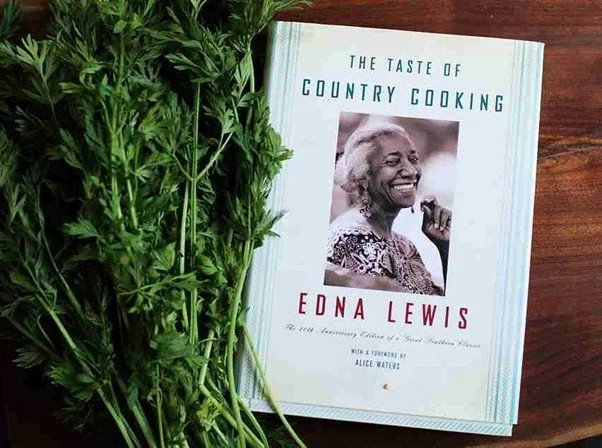
1. The Taste of Country Cooking by Edna Lewis
Why It Hits Different
Edna Lewis grew up in Freetown, Virginia — a farming community founded by freed enslaved people. Her memoir-cookbook is part family story, part seasonal almanac. She writes about spring suppers and autumn harvests with a precision that feels almost devotional.
Lewis doesn't romanticize poverty. She documents abundance — the kind that comes from knowing your land intimately.
What It Changes in You
Reading this book, you start to understand that "farm-to-table" isn't a restaurant trend. It's how most of humanity cooked for centuries. Lewis reminds you that simplicity isn't laziness — it's mastery.
One sentence she writes stopped me cold: she describes the smell of a wood fire as something her body recognized before her mind did. That's not cooking. That's ancestral memory.
2. Heat by Bill Buford
A Journalist Loses His Mind (In the Best Way)
Bill Buford was a 40-something editor at The New Yorker when he decided to apprentice in Mario Batali's kitchen. No culinary degree. No professional experience. Just curiosity and a willingness to be humiliated repeatedly.
He burns things. He gets screamed at. He travels to Italy to learn from an 80-year-old butcher named Dario Cecchini.
What It Changes in You
This book dismantles the myth that great cooking comes from talent. It comes from repetition — brutal, unglamorous repetition. Studies on skill acquisition suggest it takes roughly 10,000 hours to reach mastery in a complex domain. Buford doesn't dispute this. He lives it.
After reading Heat, you won't look at a restaurant kitchen the same way again. Every plate that arrives at your table represents invisible suffering. Respect it.
3. Shark's Fin and Sichuan Pepper by Fuchsia Dunlop
The Outsider Who Went Inside
Fuchsia Dunlop was a British student in Chengdu, China, in the 1990s. She enrolled in the Sichuan Institute of Higher Cuisine — the first Western student they'd ever accepted. What followed was a complete rewiring of her palate, her assumptions, and her identity.
She eats things she never imagined eating. She questions everything she thought she knew about flavor.
What It Changes in You
Western cooking tends to treat Chinese food as a monolith — "Chinese food" as if 1.4 billion people across thousands of miles share one cuisine. Dunlop obliterates that idea in the most delicious way possible. She shows you the difference between Cantonese restraint and Sichuanese aggression. Between northern wheat and southern rice.
By the end, you realize your palate was embarrassingly narrow. That's a gift, not an insult.
4. The Omnivore's Dilemma by Michael Pollan
The Book That Made People Uncomfortable at Grocery Stores
This isn't a traditional memoir. But it is deeply personal. Pollan follows four meals from origin to plate — a fast food burger, an organic supermarket dinner, a pastoral farm meal, and one he hunts and forages himself.
The statistics alone are staggering. Americans spend, on average, less than 27 minutes a day cooking — down from over an hour in the 1960s. That number tells a whole story about how disconnected we've become.
What It Changes in You
Pollan doesn't tell you what to eat. He shows you the machinery behind your choices. The industrial corn system. The illusion of "natural" labeling. The strange ethics of hunting your own food in the 21st century.
After this book, the supermarket becomes a philosophical battleground. Every choice feels weighted. FictionMe App readers notice something similar, as everything around them takes on new or deeper meaning. Some people find that exhausting. Others find it liberating. I found it both.
5. An Everlasting Meal by Tamar Adler
The Anti-Recipe Book
Tamar Adler doesn't give you measurements. She gives you a philosophy. Her prose reads like a love letter to improvisation — to using the wilted celery, to finishing the pot of beans, to treating cooking as a continuous thread rather than isolated events.
She opens with the line: "The best way to eat well is to learn to improvise." That sentence alone could save you thousands of euros a year in food waste.
What It Changes in You
Roughly one-third of all food produced globally is wasted. Adler's book is the most elegant argument against this fact ever written. She teaches you to see a nearly empty fridge not as a problem, but as an invitation.
You stop following recipes so rigidly. You start trusting yourself. That's a transformation most cooking schools can't achieve.
Why These Five, Together?
They Cover the Full Spectrum of What Food Can Mean
Lewis gives you roots. Buford gives you discipline. Dunlop gives you curiosity. Pollan gives you conscience. Adler gives you freedom.
Together, they map something larger than cooking — they map a whole approach to being alive and paying attention.
One Last Thing
Reading about food changes how you cook. Cooking changes how you eat. Eating — done with attention — changes how you live. None of these books asks you to become a chef. They just ask you to care.
That's a surprisingly radical request in a world designed for speed.