Why Frequent Travelers Should Always Use a VPN
You’re at an airport. The boarding call is distant. Coffee in hand, you connect to the free Wi-Fi. It’s a ritual. Comforting. And utterly dangerous.
Frequent travelers live in a world of convenience. A world where connectivity equals survival. But here’s the truth: that free network? It might be a trap. A digital snare set by someone who knows you’re too tired to notice.
This isn’t paranoia. It’s the reality of modern movement.
Public Wi-Fi: A Hacker’s Paradise
Let’s talk about what happens on that “Starbucks Wi-Fi.” You log in. You check email. Maybe you book a hotel. Your data—passwords, credit card numbers, personal messages—travels through the air. Unprotected.
Hackers love this. They use simple tools. Tools a teenager can download. One trick is the “evil twin” network. It mimics the real one. You connect to it instead. Now, everything you do is theirs to see.
Statistics back this up. According to a report, over 40% of public Wi-Fi users have experienced a security breach. That’s nearly half. Think about it: every time you click “accept” on a hotel Wi-Fi page, you’re playing a game of digital roulette.
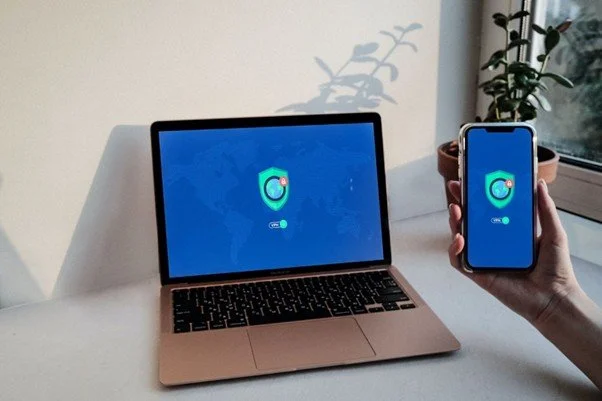
A VPN—a Virtual Private Network—creates a tunnel. An encrypted tunnel. Your data becomes gibberish to anyone snooping. Even if you’re on a fake network, they see nothing. Just noise.
Data Theft: More Common Than You Think
Numbers tell a stark story. The FBI’s Internet Crime Complaint Center (IC3) recorded over 880,000 complaints in 2023. Total losses? $12.5 billion. Frequent travelers are prime targets. Why? They move. They log in from new places. Their guard is down.
Imagine checking your bank account in a café in Barcelona. The connection is open. No password. A person two tables away captures your session. Your money, gone. Your identity, stolen.
But wait—it’s not just about money. There’s something worse.
Beyond Wi-Fi: The Geo-Restriction Trap
You’re in a country. You try to access your streaming service. Blocked. Or worse, your social media? Not available. Governments and content providers use geo-location. They see your IP address. It tells them exactly where you are.
Even if you have a free VPN, you can prevent this. Start with a free VPN test, selecting a server in a different country. You'll see that your "virtual location" has changed. However, you need a VPN trial from a reputable developer for it to work. Your apps work. Freedom restored.
But this isn’t just about entertainment. In some nations, accessing certain websites can land you in legal trouble. Journalists, activists, businesspeople—they know this risk. A VPN becomes a shield. A necessary one.
Privacy: Your Digital Shadow
Let’s get personal. Every device you carry is a beacon. Your phone, your laptop, your tablet. They broadcast your location. Your habits. Every Wi-Fi network you connect to logs your device’s MAC address. Marketers track you. Data brokers build profiles.
Frequent travelers leave a trail. A long, detailed, commercial trail. A VPN stops much of this. Moreover, even free extensions for Chrome are suitable. Not all, but much. Your IP address is hidden. Your location becomes the server's location. Advertisers see a blur. Your privacy? Partially reclaimed.
Corporate Espionage: A Real Threat
Now, consider the business traveler. You’re carrying company secrets. Strategy documents. Client lists. You connect to the hotel network. A competitor’s agent is in the lobby. Or a state-sponsored hacker. They target that very network.
Your employer likely has security policies. But policies don’t encrypt data. A VPN does. It’s the difference between a closed door and a locked safe.
The Financial Argument: Cost vs. Risk
Some hesitate. “A VPN costs money,” they say. Yes. A good one costs between $5 and $15 a month. That’s a coffee and a sandwich.
Now, consider the cost of identity theft. The average victim spends 200 hours resolving the issue. That’s a week of your life. Lost. Plus legal fees, plus stress.
Or consider a canceled flight because your booking email was hacked. Or a stolen cryptocurrency wallet. Or a business deal gone wrong because confidential data leaked.
The math is simple. Pay a little now. Avoid a catastrophe later.
How to Choose and Use a VPN
Not all VPNs are equal. Free ones? Avoid them. They often sell your data. That defeats the purpose. Look for:
No-logs policy (they don’t record your activity).
Kill switch (cuts internet if VPN drops).
Strong encryption (AES-256 is standard).
Servers in many countries.
Install it before you travel. Test it. Use it on your phone, tablet, and laptop. Always. Every time you connect to any network that isn’t your own cellular data.
A quick tip: even on cellular, use it. Mobile networks can be intercepted too. Yes, it’s rare. But rarity doesn’t matter when it’s your data.
Make It a Habit
You brush your teeth. You lock your hotel door. You check your passport. These are automatic. A VPN connection should be the same. Frequent travelers face risks that stationary people don’t. You are in transit. You are exposed. You are valuable—to hackers, to advertisers, to governments.
A VPN is not a silver bullet. It doesn’t protect against malware or phishing emails. But it closes the biggest gap: the unprotected network. So, here’s the bottom line.
If you travel often, use a VPN. Not sometimes. Not when you remember. Always.